
Hydrogen Therapy in Cardiovascular and Metabolic Diseases: from Bench to Bedside.
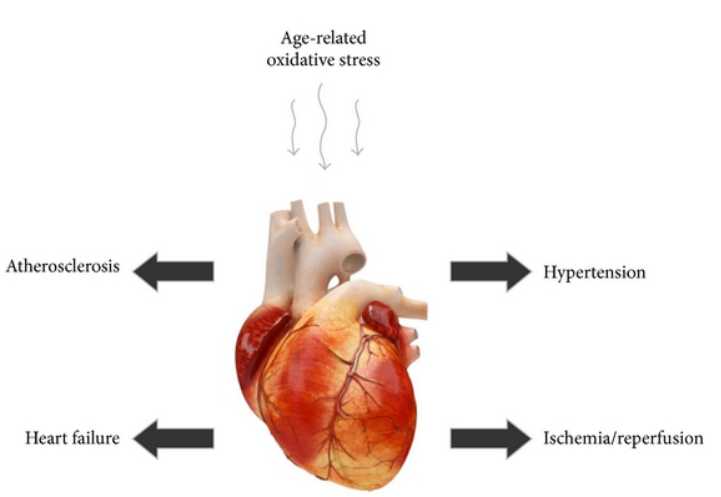
A brief look at how the Inhalation of Hydrogen gas, attenuates / reduces Progression of Chronic Heart Failure via the Suppression of Oxidative Stress and regulating (gene expression) the P53 gene involved in premature cell death.
Background:
Continuous damage from oxidative stress or better known as free radical and apoptosis or cell death, are very important mechanisms that causes chronic heart failure (CHF). Molecular hydrogen (H2) with it's well proven effect as an extremely effective and targeted anti-oxidation. The objectives of this newsletter is to briefly illustrate the mechanism of H2 inhalation in delaying the progress of CHF. This newsletter is specifically focussed on CHF and Metabolic diseases, but is only one group of diseases that benefit from using Molecular Hydrogen in the co and mono-treatment of these diseases.
What is Molecular Hydrogen and why uses it as a medical gas:
Hydrogen (H2) is colorless, odorless, and the lightest of gas molecules. Studies in the past ten years have proven that H2 is extremely important in regulating the homeostasis of the cardiovascular system and metabolic activity. Delivery of H2 by various strategies improves cardiometabolic diseases, including atherosclerosis, vascular injury, ischemic or hypertrophic ventricular remodeling, intermittent hypoxia- or heart transplantation-induced heart injury,
obesity and diabetes in animal models or in clinical trials.
The purpose of this newsletter is to summarize the physical and chemical properties of H2, and then, the functions of H2 with an emphasis on the therapeutic potential and molecular mechanisms involved in the diseases above. We hope this review will provide the future outlook of H2-based therapies for cardiometabolic disease.
Hydrogen (H2), is a natural part of normal biological processes in humankind and is produced by intestinal bacteria in mammals.The earth?s atmosphere contains less than 1 part per million (ppm) of H2 H2 is a highly combustible diatomic gas when it is present with a specific catalyst or in the presence of heat. H2 is flammable only at temperatures higher than 527 °C. H2 can be dissolved in approximately 0.8mM (1.6 ppm, wt/vol) of water at one atmospheric pressure.
Endogenous or internally produced H2 is catalyzed and produced by hydrogenases (H2ases) in bacteria, such as Escherichia coli, Bacteroidetes and Firmicutes in colon. The great majority of H2ases
contain iron-sulfur clusters and two metal atoms at their active center. These and other enzymes that assist with catalysing the reversible oxidation of H2 (H2 ? 2 H+ + 2 e-) and play a central role in microbial energy metabolism.
However, mammalian cells have no functional hydrogenase genes. In mammalian cells, H2 is proven to cross the blood brain barrier, it has the ability to penetrate membranes and diffuse into organelles, such as mitochondria and nucleus. In 2007, Ohsawa et al [10]. reported that H2 is able to react with cytotoxic oxygen radicals by reacting with the hydroxyl radical (?OH), but not ?O2 -, H2O2 and NO in cultured cells. Due to its ability to inhibit oxidative stress, inflammation, and apoptosis, H2 is emerging as a fourth gaseous signaling molecule (NO, carbon monoxide, hydrogen sulfide, and H2) within the body.
During the past ten years, benchtop and clinical research and trials, has proven that H2 is an important pathophysiological regulatory factor with very potent anti-oxidative, anti-inflammatory and anti-apoptotic effects on cells and organs. Delivery of H2 by inhalation or injection with H2, injection with H2-rich saline drinking H2-rich water, has been proven to protect against cardiovascular and metabolic diseases, such as atherosclerosis, glucose and lipid metabolism disorder, myocardial ischemia/reperfusion (I/R) injury, myocardial transplantation injury, or cardiovascular hypertrophy.As discussed previously in our newsletters.
Conclusion and finding
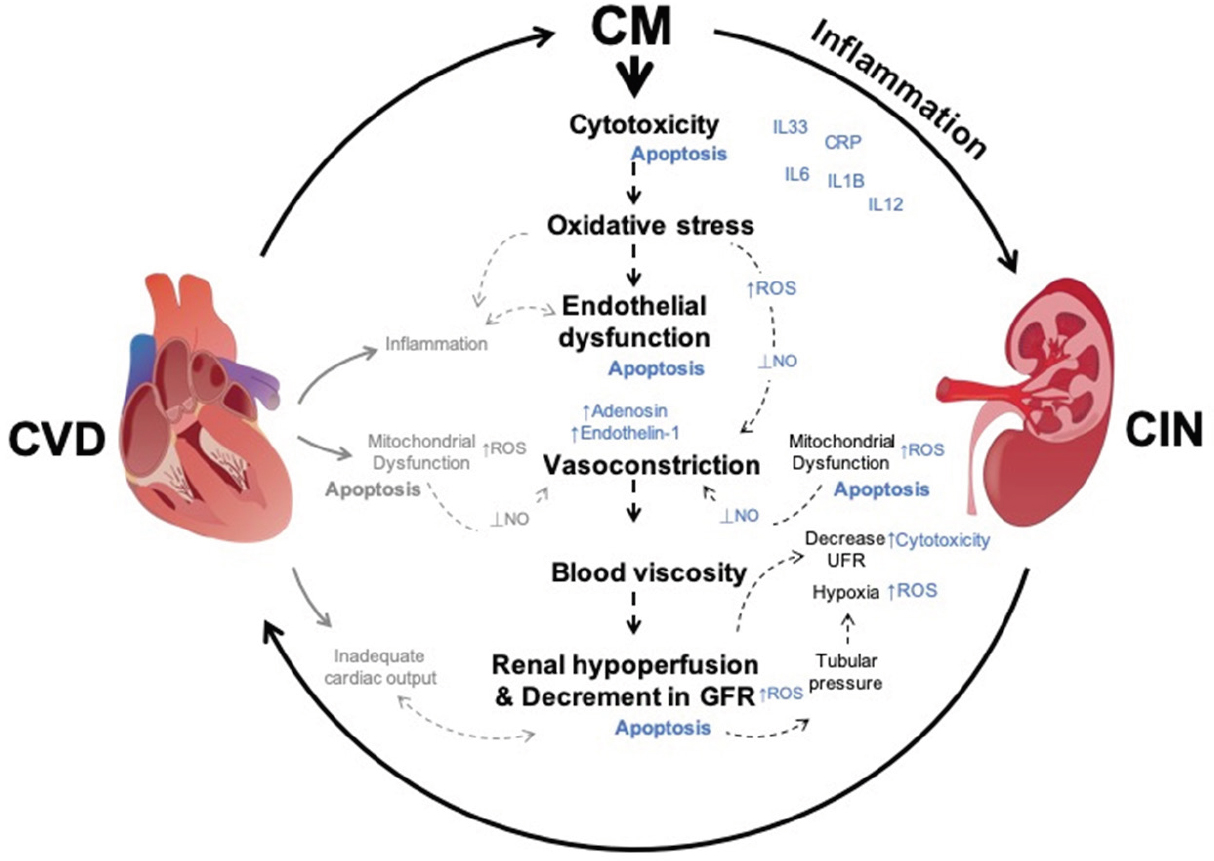
As a safe antioxidant, anti-inflammatory, gene modulator and inhibitor of apoptosis, molecular hydrogen uniquely and safely, mitigates the progression of CHF via inhibiting apoptosis modulated by p53. Therefore, H2 is clearly indicated as a potent therapeutic application in protecting CHF in the future.
Various studies and clinical trials has revealed that molecular hydrogen markedly reduce oxidative stress and suppress myocardium injury in vivo and in vitro. Inhalation of H2 prevents CHF from progressing and protect the cardiac function by reducing apoptosis of cardiomyocyte. Meanwhile, H2 has also be confirmed as protecting cardiomyocytes from oxidative stress-induced apoptosis. Notably, the expression and phosphorylation of p53 play an important role in CHF when treated with hydrogen.
REFERENCES
Ahmad, F., Lal, H., Zhou, J., Vagnozzi, R. J., Yu, J. E., Shang, X., et al.
(2014). Cardiomyocyte-specific deletion of Gsk3a mitigates postmyocardial
infarction remodeling, contractile dysfunction, and heart
failure. J. Am. Coll. Cardiol. 64, 696?706. doi: 10.1016/j.jacc.2014.0
4.068
Aubert, G., Vega, R. B., and Kelly, D. P. (2013). Perturbations in the gene regulatory
pathways controlling mitochondrial energy production in the failing heart.
Biochim. Biophys. Acta 1833, 840?847. doi: 10.1016/j.bbamcr
Brown, D. I., and Griendling, K. K. (2015). Regulation of signal transduction by
reactive oxygen species in the cardiovascular system. Circ. Res. 116, 531?549.
doi: 10.1161/CIRCRESAHA.116.303584
Chi, J., Hong, X., Wang, Y., Zhao, J., and Yang, W. (2014). Inverse correlation
beteen circulating endothelial progenitor cells with CD34CCD133C and the
severity of coronary atherosclerosis assessed by Syntax score. Am. J. Med. Sci.
347, 457?462. doi: 10.1097/MAJ.0b013e3182a56297
Chouchani, E. T., Pell, V. R., Gaude, E., Aksentijevi´c, D., Sundier, S. Y., Robb, E. L.,
et al. (2014). Ischaemic accumulation of succinate controls reperfusion injury
through mitochondrial ROS. Nature 515, 431?435. doi: 10.1038/nature13909
Chu, C. C., Liu, X., Gao, J., Hamdy, R. C., and Chua, B. H. (2006). Multiple actions
of pifithrin-a on doxorubicin-induced apoptosis in rat myoblastic H9c2 cells.
Am. J. Physiol. Heart Circ. Physiol. 290, H2606?H2613. doi: 10.1152/ajpheart.
01138.2005
Fletcher, C. H., and Crossgrove, R. (2011). Guide for the Care and Use of Laboratory
Animals. Washington, DC: The National Academies Press.
Gao, Y., Yang, H., Chi, J., Xu, Q., Zhao, L., Yang, W., et al. (2017).
Hydrogen gas attenuates myocardial ischemia reperfusion injury independent
of postconditioning in rats by attenuating endoplasmic reticulum stressinduced
autophagy. Cell. Physiol. Biochem. 43, 1503?1514. doi: 10.1159/
000481974
Gao, Y., Yang, H., Fan, Y., Li, L., Fang, J., and Yang, W. (2016). Hydrogen-
Rich saline attenuates cardiac and hepatic injury in doxorubicin rat model
by inhibiting inflammation and apoptosis. Mediators Inflamm. 2016:1320365.
doi: 10.1155/2016/1320365
Gorski, P. A., Ceholski, D. K., and Hajjar, R. J. (2015). Altered myocardial calcium
cycling and energetics in heart failure?a rational approach for disease treatment.
Cell Metab. 21, 183?194. doi: 10.1016/j.cmet.2015.01.005
Granados-Principal, S., El-Azem, N., Pamplona, R., Ramirez-Tortosa, C., Pulido-
Moran, M., Vera-Ramirez, L., et al. (2014). Hydroxytyrosol ameliorates
oxidative stress and mitochondrial dysfunction in doxorubicin-induced
cardiotoxicity in rats with breast cancer. Biochem. Pharmacol. 90, 25?33. doi:
10.1016/j.bcp.2014.04.001
Grimm, D., Elsner, D., Schunkert, H., Pfeifer, M., Griese, D., Bruckschlegel, G., et al.
(1998). Development of heart failure following isoprenaline administration
in the rat: role of the renin-angiotensin system. Cardiovasc. Res. 37, 91?100.
doi: 10.1016/S0008-6363(97)00212-5
Guo, S. X., Fang, Q., You, C. G., Jin, Y. Y., Wang, X. G., Hu, X. L., et al. (2015).
Effects of hydrogen-rich saline on early acute kidney injury in severely burned
rats by suppressing oxidative stress induced apoptosis and inflammation.
J. Transl. Med. 13:183. doi: 10.1186/s12967-015-0548-3
Hafstad, A. D., Nabeebaccuss, A. A., and Shah, A. M. (2013). Novel aspects of ROS
signalling in heart failure. Basic Res. Cardiol. 108:359. doi: 10.1007/s00395-013-
0359-8
Hao, W., Yuan, X., Yu, L., Gao, C., Sun, X., Wang, D., et al. (2015). Licochalcone
A-induced human gastric cancer BGC-823 cells apoptosis by regulating ROSmediated
MAPKs and PI3K/AKT signaling pathways. Sci. Rep. 5:10336. doi:
10.1038/srep10336
Hayashida, K., Sano, M., Kamimura, N., Yokota, T., Suzuki, M.,Maekawa, Y., et al.
(2012). H2 gas improves functional outcome after cardiac arrest to an extent
comparable to therapeutic hypothermia in a rat model. J. Am. Heart Assoc.
1:e003459. doi: 10.1161/JAHA.112.003459
Hayashida, K., Sano, M., Ohsawa, I., Shinmura, K., Tamaki, K., Kimura, K., et al.
(2008). Inhalation of hydrogen gas reduces infarct size in the rat model of
myocardial ischemia-reperfusion injury. Biochem. Biophys. Res. Commun. 373,
30?35. doi: 10.1016/j.bbrc.2008.05.165
Jourdan, T., Szanda, G., Rosenberg, A. Z., Tam, J., Earley, B. J., Godlewski, G., et al.
(2014). Overactive cannabinoid 1 receptor in podocytes drives type 2 diabetic
nephropathy. Proc. Natl. Acad. Sci. U.S.A. 111, E5420?E5428. doi: 10.1073/pnas.
1419901111
Kessler, T., Zhang, L., Liu, Z., Yin, X., Huang, Y., Wang, Y., et al. (2015).
ADAMTS-7 inhibits re-endothelialization of injured arteries and promotes
vascular remodeling through cleavage of thrombospondin-1. Circulation 131,
1191?1201. doi: 10.1161/CIRCULATIONAHA.114.014072
Kishimoto, Y., Kato, T., Ito, M., Azuma, Y., Fukasawa, Y., Ohno, K., et al. (2015).
Hydrogen ameliorates pulmonary hypertension in rats by anti-inflammatory
and antioxidant effects. J. Thorac. Cardiovasc. Surg. 150, 645?654. doi: 10.1016/
j.jtcvs.2015.05.052
Kotur-Stevuljevic, J., Bogavac-Stanojevic, N., Jelic-Ivanovic, Z., Stefanovic, A.,
Gojkovic, T., Joksic, J., et al. (2015). Oxidative stress and paraoxonase 1 status
in acute ischemic stroke patients. Atherosclerosis 241, 192?198. doi: 10.1016/j.
atherosclerosis.2015.05.016
Krifka, S., Spagnuolo, G., Schmalz, G., and Schweikl, H. (2013). A review of
adaptive mechanisms in cell responses towards oxidative stress caused by dental
resin monomers. Biomaterials. 34, 4555?4563. doi: 10.1016/j.biomaterials.2013.
03.019
Li, J., He, W., Liao, B., and Yang, J. (2015). FFA-ROS-P53-mediated mitochondrial
apoptosis contributes to reduction of osteoblastogenesis and bone
mass in type 2 diabetes mellitus. Sci. Rep. 5:12724. doi: 10.1038/srep1
2724
Li, J., Li, C., Zhang, D., Shi, D., Qi, M., Feng, J., et al. (2014). SNX13 reduction
mediates heart failure through degradative sorting of apoptosis repressor with
caspase recruitment domain. Nat. Commun. 5:5177. doi: 10.1038/ncomms6177
Li, Y., Wang, X. Y., Zhang, Z. L., Cheng, X., Li, X. D., Chuai, M., et al. (2014). Excess
ROS induced by AAPH causes myocardial hypertrophy in the developing chick
embryo. Int. J. Cardiol. 176, 62?73. doi: 10.1016/j.ijcard.2014.06.044
Liu, Z., Luo, H., Zhang, L., Huang, Y., Liu, B., Ma, K., et al. (2012).
Hyperhomocysteinemia exaggerates adventitial inflammation and angiotensin
II-induced abdominal aortic aneurysm in mice. Circ. Res. 111, 1261?1273.
doi: 10.1161/CIRCRESAHA.112.270520
Lu, Z., Miao, Y., Muhammad, I., Tian, E., Hu, W., Wang, J., et al. (2017). Colistininduced
autophagy and apoptosis involves the JNK-Bcl2-Bax signaling pathway
and JNK-P53-ROS positive feedback loop in PC-12 cells. Chem. Biol. Interact.
277, 62?73. doi: 10.1016/j.cbi.2017.08.011
Maack, C., Kartes, T., Kilter, H., Schäfers, H. J., Nickenig, G., Böhm, M., et al.
(2003). Oxygen free radical release in Human failing myocardium is associated
with increased activity of Rac1-GTPase and represents a target for statin
treatment. Circulation 108, 1567?1574. doi: 10.1161/01.CIR.0000091084.465
00.BB
Melman, Y. F., Shah, R., Danielson, K., Xiao, J., Simonson, B., Barth, A.,
et al. (2015). Circulating MicroRNA-30d Is associated with response
to cardiac resynchronization therapy in heart failure and regulates
cardiomyocyte apoptosis clinical perspective: a translational pilot study.
Circulation 131, 2202?2216. doi: 10.1161/CIRCULATIONAHA.114.
013220
Miller, M. W., and Sadeh, N. (2014). Traumatic stress, oxidative stress and
post-traumatic stress disorder: neurodegeneration and the accelerated-aging
hypothesis. Mol. Psychiatry 19, 1156?1162. doi: 10.1038/mp.2014.111
Ohsawa, I., Ishikawa, M., Takahashi, K., Watanabe, M., Nishimaki, K.,
Yamagata, K., et al. (2007). Hydrogen acts as a therapeutic antioxidant by
selectively reducing cytotoxic oxygen radicals. Nat. Med. 13, 688?694. doi:
10.1038/nm1577
Okonko, D. O., and Shah, A. M. (2015). Heart failure: mitochondrial dysfunction
and oxidative stress in CHF. Nat. Rev. Cardiol. 12, 6?8. doi: 10.1038/nrcardio.
2014.189
Ostojic, S. M., Vukomanovic, B., Calleja-Gonzalez, J., and Hoffman, J. R. (2014).
Effectiveness of oral and topical hydrogen for sports-related soft tissue injuries.
Postgrad. Med. 126, 187?195. doi: 10.3810/pgm
Santabárbara-Ruiz, P., López-Santillán, M., Martínez-Rodríguez, I., Binagui-
Casas, A., Pérez, L., Milán, M., et al. (2015). ROS-Induced JNK and p38
signaling is required for unpaired cytokine activation during Drosophila
regeneration. PLoS Genet. 11:e1005595. doi: 10.1371/journal.pgen.1005595
Song, G., Li, M., Sang, H., Zhang, L., Li, X., Yao, S., et al. (2013). Hydrogenrich
water decreases serum LDL-cholesterol levels and improves HDL function
in patients with potential metabolic syndrome. J. Lipid Res. 54, 1884?1893.
doi: 10.1194/jlr.M036640
et al.